
In brief
- FND symptoms are real. The brain and body have stopped communicating smoothly, even though scans look clear.
- Research on hypnosis for FND is still growing, but early results are encouraging.
- Hypnotherapy works best alongside your neurologist, GP and other care, at Linda’s Hilton clinic near Fremantle or online.
Maybe it started with a leg that suddenly wouldn’t hold your weight. Or a tremor that appeared out of nowhere, or episodes that looked like seizures but didn’t show up on any test. Then came the appointments, the scans, the waiting. And finally, the words that were meant to be reassuring: “Your results are all clear.”
For many people with functional neurological disorder, that moment brings more confusion than relief. If nothing is wrong, why does everything feel so wrong?
You’re far from alone. One published Australian neurology clinic series reported FND in 15% of patients, making it one of the most common diagnoses neurologists see. Yet it remains one of the least understood.
So what is actually happening in FND? And how can hypnotherapy for FND help the brain and body find their way back to working together?
What FND Is, and What It Isn’t
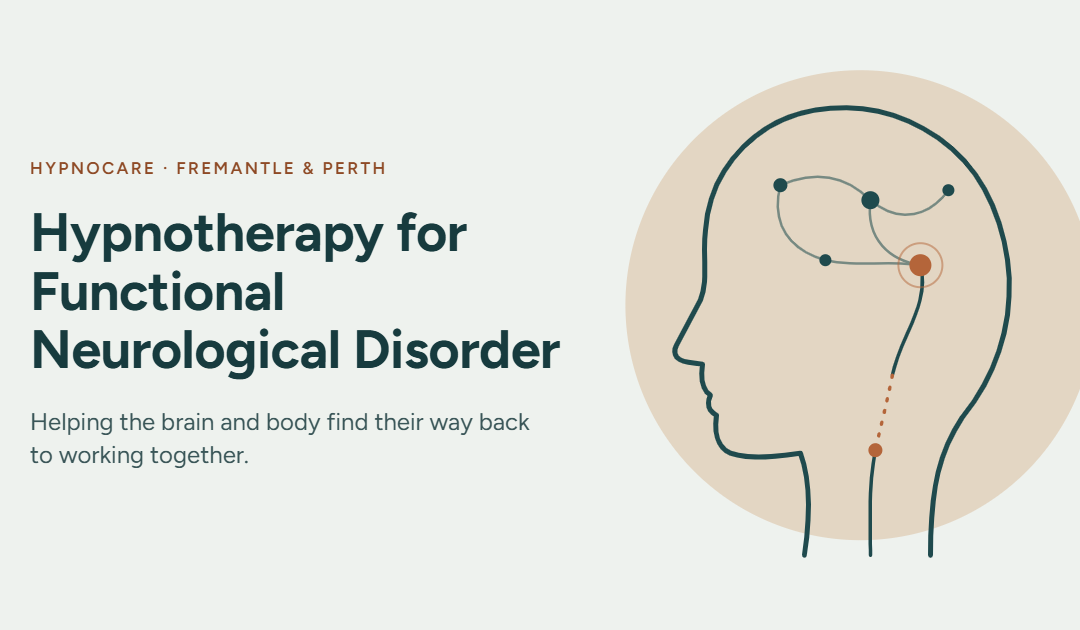
A helpful way to picture FND is to think of the brain as a computer. The hardware is intact, but the software is glitching. There’s no damage or disease showing up on a scan, but the signals between the brain and body aren’t getting through the way they should.
The symptoms can look very different from person to person: weakness, tremors, functional seizures, trouble walking, numbness, speech changes. What they have in common is that they are real. They are not imagined, and they are not “all in your head” in the way people sometimes mean it.
Stress, trauma, or a period of intense pressure often play a part, though not for everyone. Sometimes symptoms begin after an illness or injury. Sometimes they seem to arrive with no clear trigger at all.
Falling Through the Cracks
One of the hardest parts of FND is finding the right support. Research from FND Australia Support Services describes how many people fall into the gap between neurology and psychiatry, facing stigma from clinicians and the wider community alike.
Specialist help can be hard to reach, too. In a 2024 survey of Australian and New Zealand FND clinics, half reported more referrals than they could manage, and most reported wait times of more than three months.
That’s a long time to feel stuck, unheard, and unsure where to turn. It’s also something Linda hears often from the people who come to see her at Hypnocare.
Why Hypnosis and FND Are Closely Linked
Hypnosis and FND have been connected for well over a century, and there’s a reason for it. Research has found that people with FND tend to be more responsive to suggestion, and brain imaging shows similar patterns of activity in FND symptoms and hypnotically suggested ones.
In other words, the same part of the mind that learned the symptom pattern may also be the part most open to unlearning it. That’s where clinical hypnosis therapy comes in. In a deeply relaxed, focused state, the subconscious becomes more receptive to new, healthier patterns, helping the brain rediscover the pathways it already knows.
What the Research Shows
The evidence is still growing, but it’s encouraging.
A 2024 systematic review published in General Hospital Psychiatry looked at a century of research, covering 35 studies and more than 1,500 patients. Across those studies, 87% of people treated with hypnosis or suggestion showed significant improvement, and many saw their symptoms resolve in the short term. Most of those studies were small, though, and many had no comparison group, so the results need to be read with care.
A 2024 pilot study from the Netherlands followed 46 people with FND through a hypnosis-based treatment program. Symptom severity dropped significantly during treatment, compared with no change during the waiting period, and the improvement held eight weeks later.
That’s why researchers say larger, well-designed trials are needed. But the results so far compare well with other common approaches, including psychotherapy and physiotherapy.
Wondering whether hypnotherapy could help you? Book a free 15-minute phone consultation with Linda on 0409 079 435, or send an enquiry.
Where People Notice the Difference
Every experience of FND is different, and so is every path forward. For some, the change shows up in the body first. For others, it begins with feeling calmer, safer, or more hopeful.
Calming an Overworked Nervous System
When the nervous system has been on high alert for a long time, it can start sending signals that don’t match what’s really happening. Hypnotherapy helps the body settle into a genuine state of rest, often for the first time in months. From that calmer place, symptoms can become less intense and less frequent.
Rebuilding Trust in Your Body
After a leg has given way, or a seizure has come without warning, it’s natural to start bracing for the next one. That fear can keep the cycle going. Hypnotherapy works gently with the subconscious to replace that sense of threat with confidence, so movement and daily life can begin to feel safe again.
Easing the Emotional Weight
Living with FND often brings its own layer of anxiety, frustration, and grief. Many people carry the added hurt of feeling doubted. Hypnotherapy offers space to release that weight and quiet the inner critic that says you should be coping better.
Part of Your Care Team
Hypnotherapy works best alongside your existing care, not instead of it. FND should always be diagnosed by a neurologist, and many people also benefit from physiotherapy, psychology, or their GP’s ongoing support. Hypnotherapy can be a valuable addition, helping the rest of your treatment land more deeply. Health professionals are welcome to contact Linda to discuss referrals.
Common Questions
Do I need a diagnosis first?
Yes. FND should be diagnosed by a neurologist so other conditions have been ruled out. If you’re still waiting on tests, your GP is the best place to start.
Is hypnosis safe if I have functional seizures?
Hypnosis is a natural, relaxed state, and you stay aware and in control throughout. If you experience functional seizures, Linda will talk with you beforehand about what helps you, and sessions are paced so you feel safe.
How many sessions will I need?
It varies from person to person. Linda will talk through a plan with you at your first appointment, based on your symptoms and goals.
Can I have sessions online?
Yes. Online sessions let you work with Linda from home. All you need is a quiet, comfortable space and a reliable internet connection.
Can I claim a rebate?
Linda’s services are recognised by major health funds. Check with your fund to see what your level of cover includes.
Why People Choose Hypnocare Hypnosis Clinic
One of the things people tell Linda most often is how comfortable they felt from the first conversation. For anyone who has spent years feeling unheard, that matters. With over 40 years of experience in natural healing and clinical hypnotherapy, Linda Milburn is a Fellow Member and past board member of the Australian Hypnotherapists Association, and her services are recognised by major health funds, so you may be eligible for rebates through your private cover.
Every program is built around you. Linda takes the time to understand your symptoms, your history, and what you’d most like to change. All communication with Hypnocare comes directly from Linda. Sessions are available at her Hilton Hypnotherapy Clinic, three minutes from Fremantle and easy to reach from across Perth, or online from home, which can make a real difference on days when getting out the door feels hard.
Taking the Next Step
If something in this post felt familiar, reach out. A free 15-minute phone consultation with Linda is a good place to start. You can talk through what you’re experiencing and ask any questions before deciding whether hypnotherapy is right for you.
Call Linda on 0409 079 435, email [email protected], or send an enquiry online.
Sessions are available at the Hilton clinic near Fremantle, or online from home.
Results will vary from person to person. Full Medical Disclaimer.
